


Children experiencing school refusal show significant emotional distress when faced with going to school. While it is a recognised behavioural issue, it is not classified as a distinct disorder in the primary diagnostic reference used by mental health professionals—the Diagnostic and Statistical Manual of Mental Disorders, 5th Edition (DSM-5). However, research identifies school refusal as a pattern of absences that may occur over extended periods, sporadically, through frequent lateness, or by regularly skipping individual classes. It is primarily driven by anxiety, which can stem from various underlying causes.
Unlike truancy, school refusal is rooted in genuine emotional distress. A child struggling with this issue may go through the motions of preparing for school—getting dressed, eating breakfast, and even arriving at the school gates—only to become overwhelmed at the last moment. This can result in emotional outbursts, defiance, or visible distress. These children do not attempt to conceal their struggle; in fact, they often express a desire to attend school but feel unable to do so.
This contrasts with truancy, where a child deliberately avoids school without experiencing significant anxiety. Truants often engage in other activities during school hours, such as spending time with friends or wandering around shopping centres.
Parents of children with school refusal frequently notice heightened anxiety-related behaviours after school hours. Commonly reported symptoms include mood swings, irritability, difficulty completing homework, changes in appetite, excessive worry, sleep disturbances, and resistance to bedtime routines—especially as they signal the approach of another school day. These symptoms often intensify on Sunday nights or just before the start of a new school term, as the child has had time away from school and finds the thought of returning overwhelming. Many parents find the start of a new term particularly stressful due to this pattern.
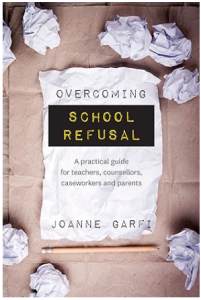
Further reading/resource: Overcoming School Refusal: A Practical Guide by Joanne Garfi


